Cordless power tools make life much easier for the DIY-ers and professional tradespeople alike. They carry the same power as their corded counterparts without the hassles of extension cords and generators. Who doesn’t love grabbing their cordless drill and heading to the backyard to finish installing deck boards without having to stretch a long extension cord across the yard?Cordless power tools come with batteries that are the powerhouse behind getting your jobs done. They may seem a little tricky and bring their own questions. With the right answers, you can not only keep that to-do list short, you will have a piece of equipment ready for any task for years to come. Here are twelve common questions about power tool batteries.
What does “Ah” or “AH” mean on a battery?
When you see the letters “Ah” or “AH” on your battery, it stands for ampere-hour or amp hour. It refers to the charge capacity of the battery. That is how much current you can expect to be delivered consistently to your tool over the course of an hour. Let’s say your battery has 2.0Ah. That means it will draw 2 amps of power and will be drained after an hour of continuous use. Keep in mind, this is under ideal conditions.
Is a higher Ah battery better?
In theory, yes, a 4Ah battery “should” last twice as long as a 2Ah battery. However, there are always mitigating factors. For instance, the amperage raw of the tool being used with the battery and how the battery was constructed, play into the longevity of run time you can expect. If the batteries are connected in series, it may double the voltage but not increase the run time of your power tool. When connected in parallel, the run time is longer even though the voltage doesn’t increase.
How long do tool batteries last?
It depends. In general, most major power tool brands (DeWalt, Milwaukee, Makita, etc.) carry a minimum 3-year warranty on their batteries. Of course, there are limitations and external factors that affect the lifespan of your power tool batteries. These factors include the state of the pack’s charge when you stored it and the temperature during storage. Additionally, the location of the battery when stored (on the tool, on a shelf, on a charger or in the tool bag) can affect the lifespan.
How can I repair my power tool batteries?
It is possible to rebuild your power tool batteries if you have the know-how and patience to solder. We recommend using a professional and not doing it as a DIY project on the weekend. While rebuilding batteries is not a service we provide, at Ottawa Fastener Supply, we are happy to test and inspect your batteries and replace those under warranty. Please call our service department for more information at 613.828.5311, ext. 3.
Can I take my power tool batteries on an airplane?
Loose batteries must be placed in your carry-on bag. You can place power tools with their batteries attached in your checked baggage; however, you must be sure they cannot short out or accidentally activate. DeWalt’s new Flexvolt batteries come with an attachment to prevent this from happening. Your best bet is to pack your tools in your checked bags and use carry-on bags for your batteries. Always check with the airline before flying to ensure you are following the rules they set.
Can power tool batteries freeze?
Lithium-ion batteries do not like the cold. They charge slowly or fail to hold a charge at all. Remember to store batteries indoors overnight. When on a job site, keep them in your tool bag with a gel warmer or your pockets next to your body when not in use. If they are left out to endure the elements, do not charge them while they are still cold. Instead, let them warm up to room temperature for an hour or two first.
Are power tool batteries interchangeable?
No. Each brand of cordless power tools has designated battery platforms specific to their line of tools with different voltages. Now, it may be possible to interchange batteries between the same brand and voltage even with different ampere-hours. Before you run the risk of burning up your favorite cordless drill or screwdriver by swapping batteries across brands, give us a call. We are happy to confirm which battery will work for your tool!
How do I charge a battery without a charger?
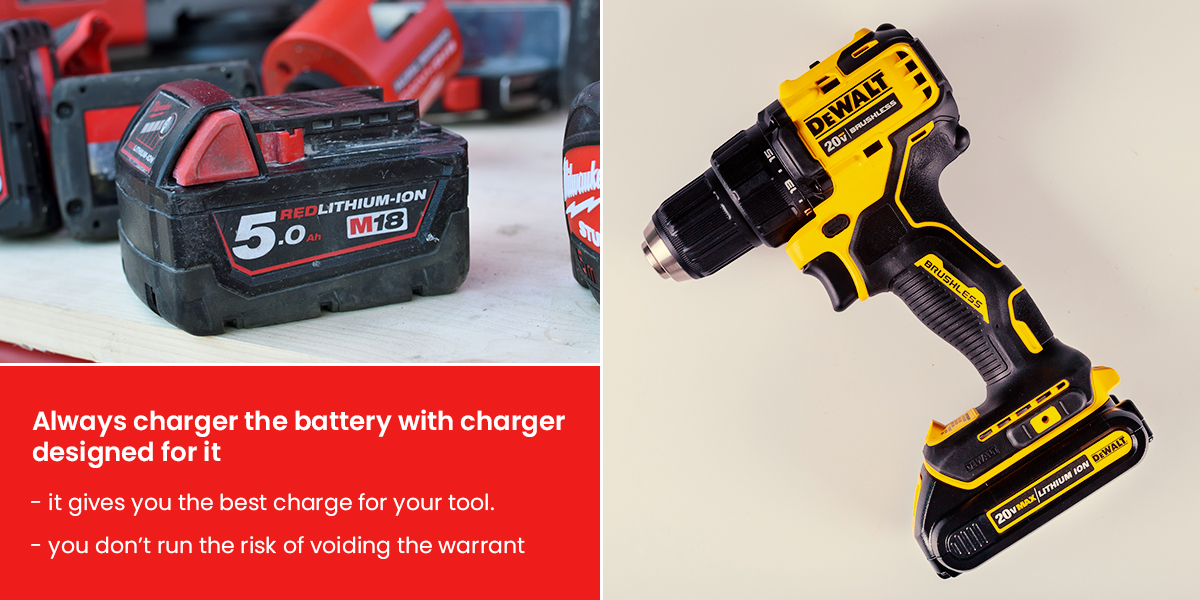
We do not recommend this tactic. As a DIY weekend warrior, your time is better spent on building a deck, not taking unnecessary risks. The best way to charge a battery pack is by using the charger designed for it, for two reasons. First, it gives you the best charge for your tool. Second, you don’t run the risk of voiding the warranty. Give us a call at Ottawa Fastener Supply about the warranties on your power tools and corresponding batteries.
How do I test my cordless drill battery charger?
Any service center across Ottawa should be able to test your charger. Keep in mind that if you think your charger is not functioning, it is more likely that it is the battery, not the charger. Age and overall daily maintenance helps the lifespan of your battery, but they are not built to work forever. Stop in at Ottawa Fastener Supply, and we can inspect chargers of many makes and models. We also can help you find the right replacements.
How do I jumpstart or fix my cordless drill battery?
The best way is to bring the battery into a certified service center. These are not car batteries. It isn’t a matter of linking positive to positive and negative to negative and then turning the key of the dead car. By messing around with your cordless drill battery, you can permanently damage it, and possibly yourself, and void the warranty in the process. Why risk getting a replacement under warranty when you can use the services of a certified center?
How long does a drill battery take to charge?
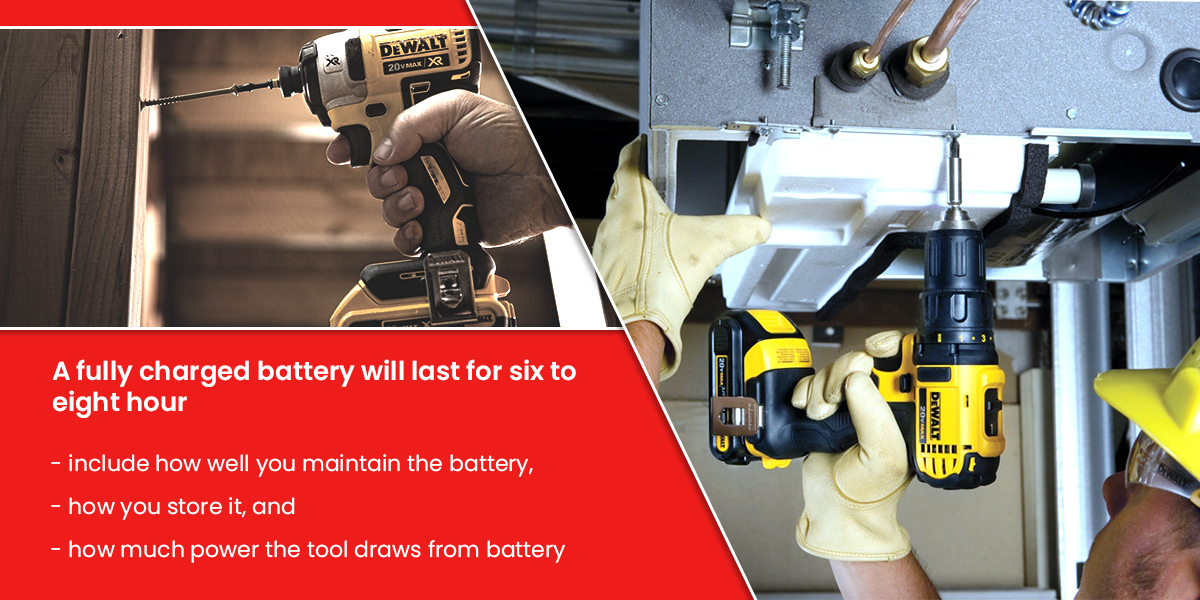
For brand new batteries, charging it overnight will ensure you have a full charge on each individual cell. From that point on, future charges can take between three to six hours to achieve a full charge. Luckily, newer chargers are designed so that you cannot overcharge your battery, and lithium-ion batteries have little to no memory, so you don’t have to worry about emptying it before placing it on the charger.
How long do cordless drill batteries last?
Brand new batteries should be charged overnight to ensure you have a full charge on each individual cell, so that the life of the cell is not compromised. From that point on, future charges on a the proper/adequate charger can take between 30min to 2 hours to achieve a full charge. Never use under-powered chargers for high capacity batteries. Newer chargers are designed so that you cannot overcharge your battery (though don’t store it here, plugged in), and lithium-ion batteries have little to no memory, so you don’t have to worry about emptying it before charging.

Get Your Power Tool Battery Questions Answered at Ottawa Fastener Supply
When in doubt, check out Ottawa Faster Supply. We have a wide selection of tool batteries and cordless drills, saws, and tools to meet your DIY needs.

We love sharing our knowledge to assist you in making the best choices for your projects. Take advantage of our years of service and experience to ensure your next job is done quickly and easily.
Original Source: https://www.ottawafastenersupply.com/12-common-questions-about-cordless-power-tool-batteries/